SWEDESBORO — The Swedesboro Council adopted a new ordinance at their regular meeting on Oct. 19 regulating the planting and containment of invasive plants within the borough.
The ordinance adds an Invasive Plant Species section to Chapter 190 of the borough code, allowing the borough to “prohibit new plantings of invasive plant species and to require invasive plant species be contained within the property on which they are located.”
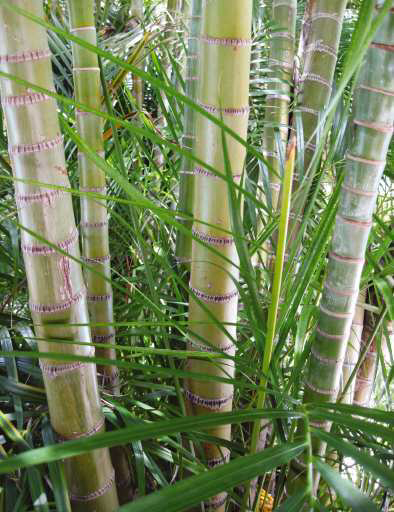
Effective upon its adoption, all new plantings of invasive species within the borough’s jurisdiction are strictly prohibited. Mayor Tom Fromm explained that there are patches of bamboo growing on properties within the borough, and that the community had been talking about it and expressing concern.
The ordinance defines invasive plant species as “all native and non-native vines and vegetation that grow out of place, and are competitive, persistent and pernicious.” The ordinance also specifically cites “bamboo” as a species example, including the following types: Arudinaria, Bambusa, Chimonobambusa, Endrocalamus, Fargesia, Phyllostachys, Pleioblastus, Sasa, Sasaella, and Semiarundinaria.
Additionally, the ordinance lists ragweed, multiflora rose, kudzu vine, and poison oak or ivy.
According to a 2011 Rutgers University Research article, while bamboo is often viewed as decorative and ornamental, its propagation is often misunderstood.
Two types of bamboo species exist, clumping and running. Clumping bamboo is made up of stalks originating back to the original stalk of planting. It grows outward from its center and is considered less invasive. However, it is more expensive to purchase.
Running bamboo propagates from its root base, which expands beyond its original planting location, underground. This variety is highly invasive because of its ability to travel underground, in a line (hence the term, “running”), and that removing the stalk does not stop the root base from continuing to grow.
For properties with invasive plant species preexisting at the time of adoption, the ordinance mandates that the plants must be contained to the property. Should a borough code enforcement officer receive a complaint about the spreading of the species to another property, or notice it on “his or her own,” they may compel remediation of the spread.
The remediation process includes the removal of the plant(s) and its root structures back at least 20 feet from adjoining property lines. This can include installing above and/or underground barriers along property lines, or other methods “as reasonably determined by the Code Enforcement Officer.”
Violators will be notified via mail and must comply within 30 days or will be subject to a fine more than $100, but less than $2,000. Each day that the violation continues after the 30-day period will then constitute a separate offense and fine.
The adoption of the ordinance coincidentally follows the recently adopted New Jersey Invasive Species Act (Jan. 2026). The new law creates a 19-person committee known as the New Jersey Invasive Species Council, which will advise the New Jersey Department of Environmental Protection on matters of invasive species. Running bamboo is among the list of prohibited invasive species.
According to the law, as of Feb. 1, 2026, the propagation of a prohibited invasive species will be illegal. Beginning on Feb. 1, 2030, the sale, distribution, export, or offer of a prohibited invasive species will be illegal.
By Ethan Stoetzer